Rulita Script Font Review for Design Projects
A First Glance at Rulita
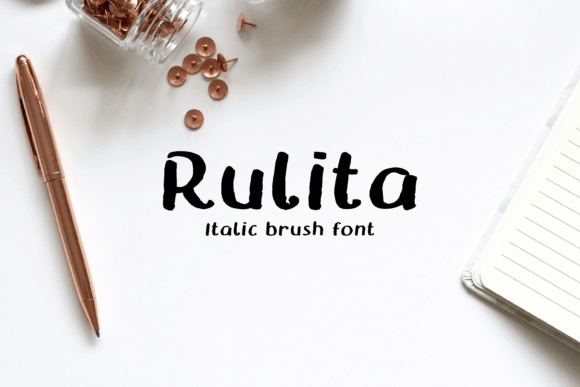
When I first encountered Rulita, it struck me as a font with a certain elegance and warmth. It carries a soft, flowing personality that feels both inviting and refined. The letters have a natural, handwritten feel, but with enough structure to maintain professionalism. This makes it a versatile option for a variety of creative applications.
Rulita has a mood that leans towards sophistication without being overly formal. It’s the kind of typeface that can add character to a design while still feeling approachable. The visual personality is reminiscent of a well-crafted script font, yet it avoids the overused cursive styles that can sometimes feel too whimsical or hard to read.
Real-World Applications of Rulita
As a designer, I always consider how a font will perform in different contexts. Rulita shines in situations where a touch of personalization is needed without sacrificing clarity. Here are some practical uses I’ve tested:
- Logo Design: Rulita works well for logos that require a handcrafted or bespoke look. Its fluidity gives a sense of individuality, which is perfect for small businesses or brands looking to stand out.
- Packaging Design: When applied to product labels or packaging, Rulita adds a premium feel. It's especially effective on luxury items or artisanal goods where the design needs to reflect quality and care.
- Social Media Graphics: In social media posts, Rulita can be used for headlines or captions to create a more engaging and visually appealing layout. It pairs nicely with sans serif fonts for contrast and balance.
- Editorial Design: For blog headers or magazine layouts, Rulita brings a unique flair that can elevate the overall aesthetic. However, it should be used sparingly to avoid overwhelming the reader.
- Digital Ads: When used in short bursts, such as call-to-action buttons or taglines, Rulita adds a touch of creativity without compromising readability.
Its performance across these scenarios shows that Rulita is not just a decorative font—it's a functional one that can support real design goals.
Where to Use Rulita with Caution
While Rulita is a strong choice in many areas, there are situations where its use should be approached carefully. For example:
- Large Headlines: Although Rulita can be used for headlines, it may become less legible when scaled up. Testing it in black and white at various sizes is essential to ensure it remains clear.
- Supporting Text: Due to its stylized nature, using Rulita for long paragraphs or body text can reduce readability. It’s best suited for short phrases, quotes, or decorative accents.
- Brand Marks: If you're incorporating Rulita into your brand identity, ensure it aligns with your brand’s voice and values. A script font might not be appropriate for every business.
These considerations help maintain the effectiveness of Rulita in any project, ensuring it enhances rather than hinders the message being conveyed.
Design Considerations and Best Practices
As a professional designer, I always test a font in different environments before committing to it. Here are some practical notes for working with Rulita:
- Test in Black and White: This helps assess contrast and legibility, especially in print or low-color settings.
- Check Small-Size Readability: Make sure the font remains legible at smaller sizes, particularly if it will be used in digital formats or on merchandise.
- Try Real Mockups: Apply Rulita to actual project mockups to see how it interacts with other design elements like colors, images, and spacing.
- Compare Uppercase and Lowercase: The contrast between uppercase and lowercase letters can significantly affect the visual hierarchy and tone of your design.
- Review Spacing: Pay attention to letter and word spacing to avoid clutter or awkward gaps that could detract from the overall look.
- Font Pairing: Experiment with pairing Rulita alongside serif, sans serif, or display fonts to find the right balance for your project. A common pairing might include a clean sans serif font for body text and Rulita for headings or accents.
Also, make sure to confirm commercial licensing before using Rulita in client or business projects. As a premium font, proper licensing ensures legal compliance and protects your work.
Final Thoughts on Rulita
Rulita is a modern typography choice that offers a blend of style and functionality. It’s ideal for creative professionals who want to inject personality into their designs without losing clarity. Whether you're designing for a brand, crafting digital products, or creating printable assets, Rulita can serve as a valuable addition to your font library.
However, like any font, it requires thoughtful application. Understanding its strengths and limitations will help you use it effectively in your next project. From editorial design to web design, Rulita has the potential to enhance your work—so long as it’s used with intention and purpose.